

A 5D cinema theater usually combines filmed or animated visuals with synchronized seat motion and sensory effects. A 9D VR cinema typically adds headset based viewing and is often sold as a compact group simulator. These labels are marketing terms rather than universal technical standards, so compare the actual equipment, content and operating requirements before choosing.
When venue operators compare a 5D movie theater with a VR cinema, the key viewing difference is a shared screen versus individual headset immersion. The best commercial choice still depends on the specific models, guest group and operating plan.
What is a 5D cinema theater?
In commercial entertainment, “5D cinema” commonly describes a shared screen experience with moving seats and physical effects such as wind or vibration. The exact effect package varies by manufacturer and configuration. Guests usually watch the same story together, which can make the format easy to explain to families and groups.
Fun Levao's 3D Rides Cinema is presented as a customizable 5D cinema with a curved screen and synchronized seat motion. Confirm the effects and content included in the exact configuration before using it in a venue plan.
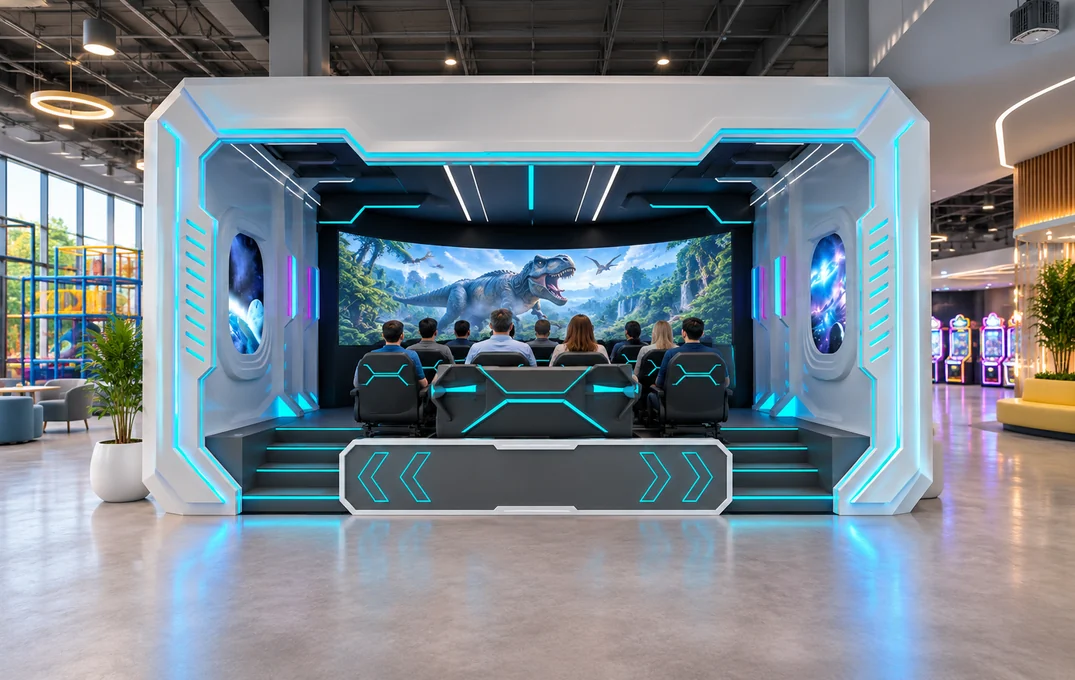
Ask whether the proposed system uses a projection screen, LED display or another visual setup; what effects are supplied; and which films are licensed for your venue. Do not infer the technology or content rights from the 5D label alone.
What is a 9D VR cinema experience?
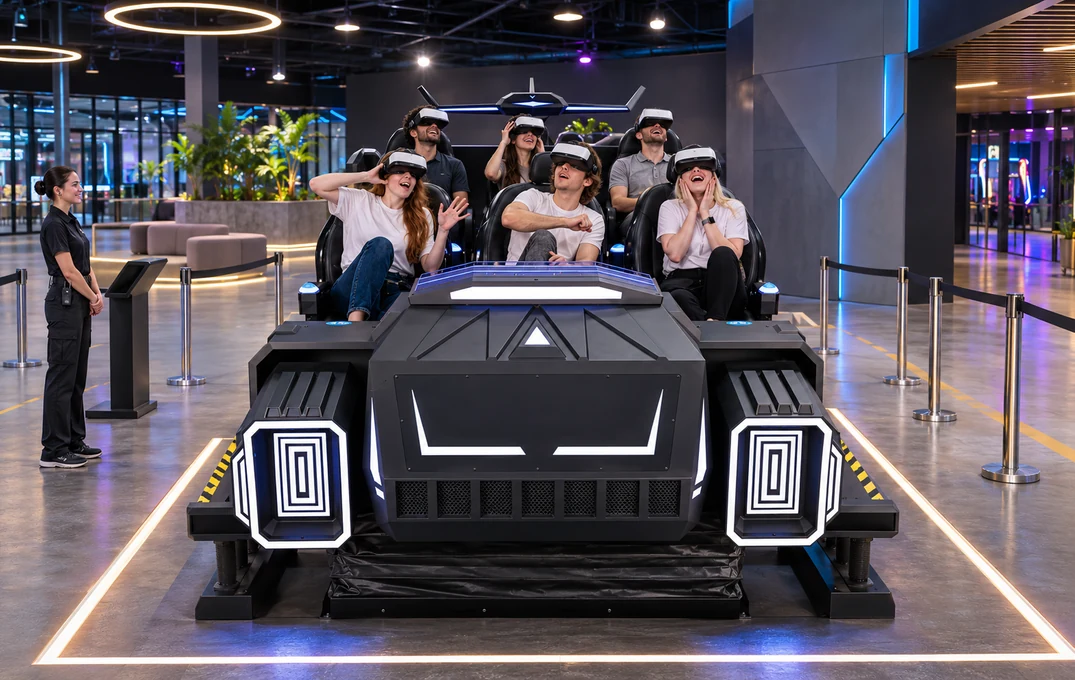
A 9D VR cinema is commonly marketed as a headset based ride that combines immersive visuals, synchronized motion and effects. The number “9D” does not specify an industry-wide list of nine features. Check the product specification for headset type, seat motion, effects, player capacity, content library and maintenance needs.
For example, Fun Levao’s six-seat Dark Mars VR simulator is presented as a group VR cinema attraction with synchronized tilt, wind and vibration. Its product page lists current model information; request an up-to-date quotation and configuration before planning an installation.
The practical differences for an operator
- Viewing: a screen cinema lets a group see the shared display; a VR cinema gives each guest a headset view.
- Guest preparation: headset based sessions need fitting, instructions and cleaning between groups.
- Visibility: a screen may make the content visible to spectators; VR headsets can make the on-screen experience less visible unless an external display is provided.
- Content: compare the included library, commercial rights, update process and language options for each system.
- Space: both formats need loading, exit, queue, operator and maintenance areas beyond the equipment footprint.
- Access and comfort: check manufacturer age guidance, accessibility, motion intensity and any guest restrictions for each model.
Which format fits your venue?
Choose according to the audience and the job the attraction must do. A shared screen cinema may suit a venue that wants quick group onboarding and visible content. A VR cinema may suit a venue that wants individual immersive viewing inside a group ride. Neither label tells you which will perform better in your location; test the decision against expected guests, session cycle, staffing and the surrounding attraction mix.
Review the group VR cinema product range as a shortlist of formats. When comparing specific models, ask for a demo video, current specifications, installation drawing, content list and operating instructions. The VR arcade floor plan guide shows how to account for queues and service routes.
Use a purchase checklist before selecting a cinema
- What exactly is included in the quoted configuration?
- How many guests can play in one complete operating cycle, including loading and cleaning?
- Which films or games are included, and what are the commercial use and update terms?
- What are the power, network, ceiling and delivery access requirements?
- How are headsets, seats and effects cleaned and maintained?
- What installation, training, warranty and spare part support is available?
Frequently asked questions
Is 9D VR better than 5D cinema?
Not automatically. The formats use different viewing and operating methods, and the labels do not define a standard feature set. Compare actual models against your audience, venue space, capacity and staff resources.
Does every 5D cinema use VR headsets?
No. Many 5D cinema setups use a shared screen, while headset based viewing is common in VR cinema. Confirm the display method of the exact equipment you are considering.
How much space does a group VR cinema need?
There is no single answer. Use the manufacturer’s current installation drawing and add loading, queue, operator, exit and maintenance space. Verify the final layout against local building and safety requirements.
Next step
Tell Fun Levao your venue size, audience and preferred experience style through the contact page. Request a comparison of specific cinema models and their current specifications before deciding.
Turn your research into a venue plan.
Share your space, audience and goals for a practical equipment recommendation.
Request a proposal